
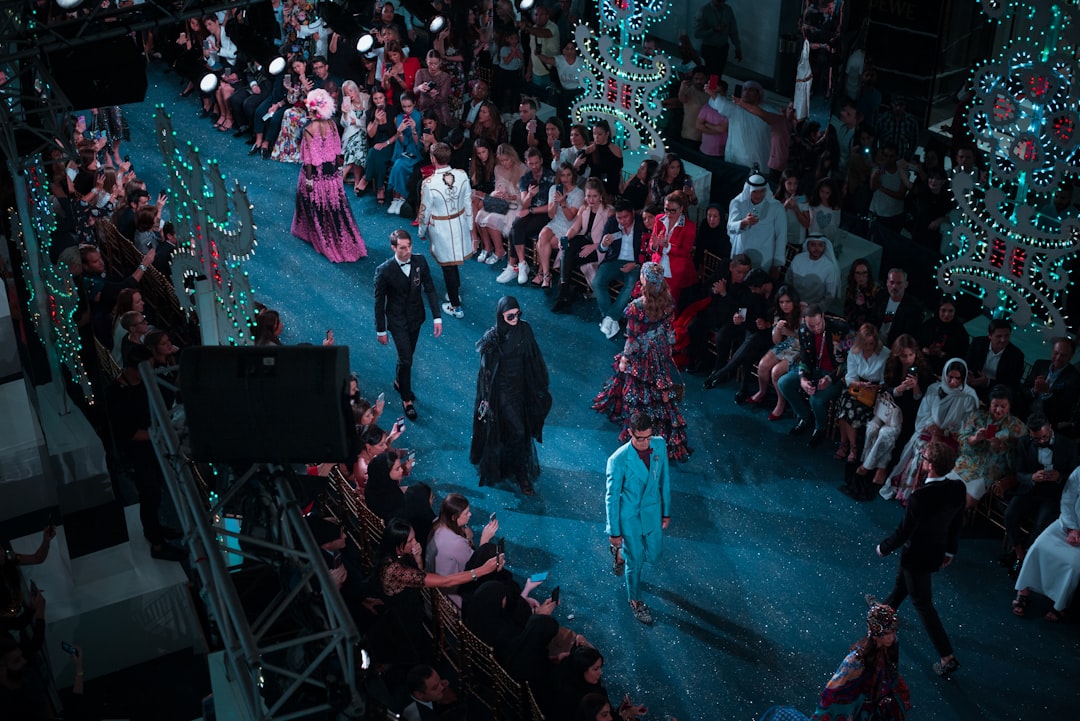
Your modeling portfolio is your visual resume – it's often the first impression you make on agencies, clients, and casting directors. A well-crafted portfolio can be the difference between landing your dream job and being overlooked in a competitive market. In this guide, we'll explore the essential elements of building a standout modeling portfolio that showcases your potential and versatility.
Why Your Portfolio Matters
In the modeling industry, your portfolio serves multiple crucial purposes:
- First Impressions: It's typically the first thing agencies and clients see, making it critical for creating a positive initial impact
- Versatility Showcase: A well-rounded portfolio demonstrates your ability to adapt to different styles, looks, and client needs
- Professional Credibility: Quality images signal that you're serious about your career and understand industry standards
- Marketing Tool: Your portfolio is your primary marketing material for securing bookings and representation
- Career Documentation: It serves as a record of your growth and achievements in the industry
Essential Portfolio Components
A professional modeling portfolio should include several key types of images:
- Headshots: Clear, well-lit photos showing your face from multiple angles with minimal makeup
- Full Body Shots: Images that clearly display your physique and proportions
- Fashion Editorial: Styled shoots that demonstrate your ability to work with creative concepts
- Commercial Shots: Approachable, friendly images suitable for advertising and brand work
- Beauty Shots: Close-up images highlighting your features and ability to work with beauty products
- Lifestyle Images: Natural, candid-style photos showing personality and versatility
Working with Photographers
Choosing the right photographer is crucial for portfolio development. Consider these factors when selecting a photographer:
- Experience Level: Look for photographers with experience in fashion and modeling photography
- Portfolio Quality: Review their previous work to ensure their style aligns with your goals
- Communication Skills: Choose someone who can direct you effectively and make you feel comfortable
- Industry Connections: Photographers with industry relationships can provide valuable networking opportunities
- Professionalism: Ensure they conduct business professionally and respect boundaries
Planning Your Photoshoot
Successful portfolio shoots require careful planning and preparation:
- Concept Development: Work with your photographer to plan looks, themes, and styling for each shot
- Wardrobe Selection: Choose versatile, well-fitting clothing that showcases different looks and styles
- Location Scouting: Select locations that complement your vision and provide varied backgrounds
- Team Assembly: If budget allows, work with professional hair and makeup artists
- Timing: Schedule shoots during golden hour for optimal natural lighting
- Preparation: Get adequate rest, stay hydrated, and arrive camera-ready
Digital vs. Physical Portfolios
In today's digital age, maintaining both formats is important:
- Digital Portfolio Benefits: Easy to share, update frequently, accessible worldwide, environmentally friendly
- Physical Portfolio Benefits: Makes a strong impression in person, shows attention to detail, suitable for certain traditional agencies
- Best Practice: Maintain both formats with your digital portfolio as the primary version and a carefully curated physical book for in-person meetings
Portfolio Maintenance and Updates
Your portfolio should evolve with your career:
- Regular Updates: Add new images every 3-6 months to keep your portfolio fresh and current
- Quality Control: Remove outdated or weaker images as you acquire better shots
- Seasonal Relevance: Update your portfolio to reflect current fashion trends and seasonal styles
- Professional Growth: As you gain experience, replace early images with more professional work
- Feedback Integration: Listen to agency and client feedback about what images work best
Common Portfolio Mistakes to Avoid
Be aware of these common pitfalls that can weaken your portfolio:
- Over-Editing: Excessive retouching can misrepresent your actual appearance
- Inconsistent Quality: Including both professional and amateur shots dilutes overall impact
- Too Many Similar Images: Repetitive shots fail to demonstrate versatility
- Inappropriate Content: Including overly provocative or unprofessional images
- Outdated Images: Showing work that no longer represents your current look or skill level
- Poor Organization: Presenting images without logical flow or professional presentation
Budget Considerations
Building a professional portfolio requires investment, but there are smart ways to manage costs:
- Test Shoots: Collaborate with emerging photographers building their portfolios
- Agency Support: Some agencies provide portfolio development support for represented models
- Phased Approach: Build your portfolio gradually rather than trying to create everything at once
- Strategic Investment: Prioritize quality over quantity – better to have few excellent images than many mediocre ones
Conclusion
Building a strong modeling portfolio is an ongoing process that requires investment, patience, and strategic planning. Your portfolio is more than just a collection of pretty pictures – it's a powerful marketing tool that represents your professional brand and opens doors to exciting opportunities in the fashion industry.
Remember that your portfolio should evolve as you grow in your career. Continuously seek feedback, update your images regularly, and always strive to showcase your best work. With a well-crafted portfolio and the right representation, you'll be well-positioned to succeed in Dubai's competitive modeling market.
Need professional guidance on building your modeling portfolio? Contact Golden Dream Escape to learn about our portfolio development services and how we can help showcase your talent to top fashion brands.